
ANDROID APPDEVELOPMENT
Conversion. Integration. Performance. Growth.
Digital OORT Android App Development Solutions Built For Business Systems And Revenue Growth
Android applications give businesses a direct way to interact with users while connecting those interactions to internal systems. Through structured Android application development, businesses can capture enquiries, manage user data, and support ongoing communication across channels. For service-based companies in Australia, mobile apps often become a core part of daily operations, from bookings to customer updates.
A well-planned application does more than function on a device. It connects with CRM platforms, APIs, and analytics tools to ensure every user action contributes to a measurable outcome.
Digital OORT approaches development with this system-level view, aligning mobile experiences with business processes so that each interaction supports efficiency, visibility, and long-term growth.
APPLICATIONS DESIGNED AROUND BUSINESS WORKFLOWS
Custom applications reflect how a business operates rather than forcing users into fixed structures. When teams create Android app solutions based on real workflows, the result is smoother operations and clearer user journeys.
Key Features:
- ● Aligns Features With Real Customer Actions
- ● Supports Booking, Enquiry, And Service Flows
- ● Adapts As Business Requirements Evolve
SYSTEMS INTEGRATION THAT SUPPORTS DAILY OPERATIONS
Applications perform better when they connect with the tools businesses already use. Through structured Android mobile app development, data flows between platforms, reducing manual work and improving response times.
Integration Capabilities:
- ● Connects CRM Systems For Lead Tracking
- ● Integrates APIs For Automation And Updates
- ● Enables Real-Time Visibility Across Operations
How Android Applications Improve Customer Interaction And Internal Efficiency

Android applications create a consistent communication channel between businesses and users while supporting structured workflows behind the scenes. This connection allows businesses to manage enquiries, automate responses, and maintain visibility across customer interactions.
Mobile Interfaces Influence Customer Engagement and Retention
A well-structured interface encourages users to take action without confusion. When businesses build Android app experiences around clarity and usability, engagement improves through faster navigation, personalised interactions, and timely communication.
Automation Within Android Apps Reduces Operational Friction
Manual processes slow down response times and introduce errors. Applications designed through Android software development automate repetitive actions such as bookings, updates, and notifications, allowing teams to focus on higher-value tasks.
User Data From Android Apps Reveals Business Performance
Applications collect behavioural data that reflects how users interact with services. With proper Android app dev practices, this data supports better decisions, helping businesses refine processes, improve user experience, and identify growth opportunities.
What Influences Android App Development Cost, Timeline, And Complexity
The scope of an application depends on features, integrations, and business objectives. Decisions such as whether to create an application for Android with custom workflows or standard features will affect timelines and investment. Early planning ensures that development aligns with expectations, reducing delays and unnecessary revisions.
SCOPE
Defines required features, integrations, and how users interact with the application across different scenarios.
BUDGET
Determines the level of customisation, development resources, and technical depth needed to support business goals.
TIMELINE
Sets delivery phases, testing cycles, and preparation for submission through the Google Play Store console.
Why Android Applications Must Align With Business Goals And Measurable Outcomes
Applications deliver value when they support real actions such as enquiries, bookings, and customer management. Businesses that make Android app decisions based only on features often miss how those features connect to outcomes. Digital OORT focuses on aligning application structure with user intent and internal workflows so that each interaction supports business objectives, improves response time, and contributes to measurable growth.
SEE HOW YOUR APP CAN SUPPORT LONG-TERM BUSINESS GROWTH
SCHEDULE A CALLOur Android App Development Services That
Support Business Operations And Growth
Every application requires a combination of design, development, and integration to function effectively within a business environment. These services ensure that applications operate reliably while supporting user interaction and system-level processes.
Native Android Application Development
Develop native applications using platform-specific technologies within Android application development, delivering strong performance, smooth interaction, and full device capability, ensuring reliability, scalability, and consistent functionality across different Android environments and user scenarios.
Custom Android Application Solutions
Build applications aligned with business workflows, user journeys, and operational needs through structured Android mobile application development, enabling flexibility, improved usability, and scalable functionality that evolves with changing business requirements and user expectations.
User Interface and Experience Design
Design structured interfaces supported by Android app dev practices that guide users toward clear actions, improving usability, accessibility, and interaction flow while maintaining consistency across devices and supporting engagement, retention, and overall application performance.
API Integration and Connectivity
Enable system communication through API integration within Android software development, allowing data exchange, automation, and seamless connectivity between platforms, improving workflow efficiency and maintaining consistent information flow across business systems.
CRM Integration for Data Management
Integrate applications with CRM platforms using Android development frameworks to capture, manage, and track customer interactions, improving visibility across leads, communication, and service activities while supporting structured customer management processes.
Backend Development and Infrastructure
Build secure backend systems as part of Android mobile app development, managing application logic, data processing, and integrations while ensuring stability, performance, and the ability to handle increasing user activity and operational demand.
Application Testing and Quality Assurance
Test applications across devices using structured Android coding practices to identify issues, improve usability, and ensure stable performance, delivering a consistent experience while reducing risks before launch and during ongoing updates.
Google Play Deployment and Management
Prepare and manage application launch through the Google Play developers ecosystem, ensuring compliance with platform requirements, optimised listings, and smooth submission processes while supporting ongoing updates and performance monitoring.
Which Technologies And Platforms Are Used To Build
Reliable Android Applications
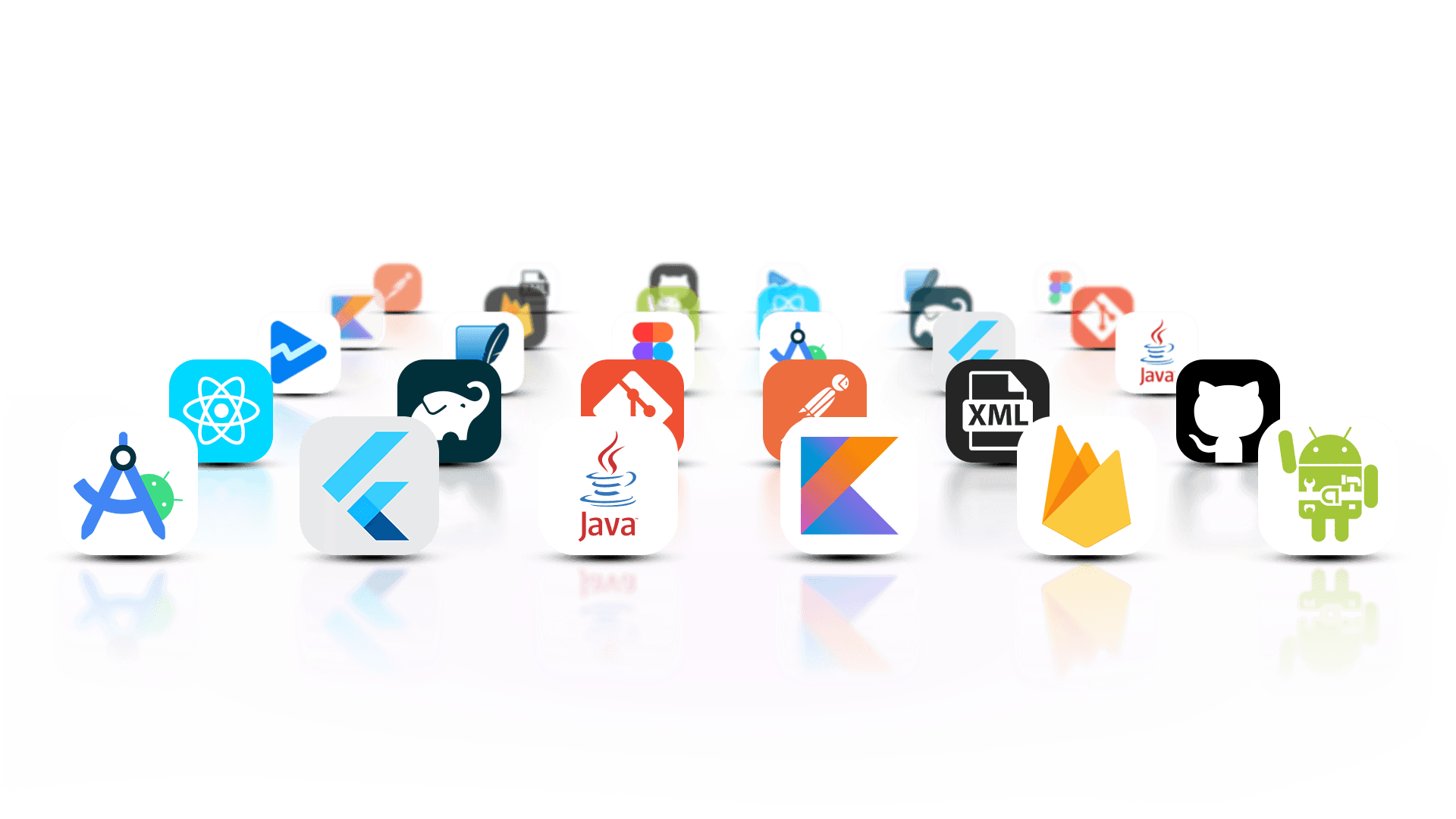
Modern applications rely on a combination of development tools and infrastructure to ensure performance, scalability, and secure data handling. Technologies such as Android Studio software, cloud services, and API frameworks support efficient development while enabling integration with business systems and user-facing features.
How Digital OORT Approaches Android App Development From Strategy To Continuous Improvement
A structured process ensures that applications align with business requirements, user expectations, and system integrations. Each stage builds on the previous one, allowing businesses to move from planning to execution with clarity and control. The process begins by understanding business goals and defining how users interact with services.
At Digital OORT, The Process Focuses On:
- ● Business Goals And User Interaction Mapping
- ● Structured UX Design For Clear Navigation
- ● Integration With CRM And External Systems
- ● Performance Testing Across Environments
- ● Continuous Updates Based On User Data
Design focuses on creating intuitive pathways that guide users toward key actions. Development then translates these designs into functional applications while integrating APIs, CRM platforms, and backend systems.
Testing ensures performance across devices, reducing issues before launch. After deployment, ongoing improvements are based on real user behaviour and system data.


01Discovery and Planning
Define business requirements, user expectations, and system needs before development begins, ensuring clear direction, aligned goals, and a structured foundation for the entire application lifecycle.
02User Experience and Interface Structuring
Design layouts and navigation paths that support clear user actions and engagement, improving usability, guiding interactions, and ensuring a consistent experience across different devices and user scenarios.
03Development and System Integration
Build the application while connecting it with APIs, backend systems, and required platforms, enabling seamless data flow, automation, and reliable interaction across integrated business environments.
04Testing and Performance Validation
Ensure the application performs reliably across devices, identifying and resolving issues before release, improving stability, enhancing user experience, and reducing risks during deployment and ongoing usage.
05Launch and Ongoing Improvement
Deploy the application through the Android Dev Console and refine performance using real usage data, enabling continuous updates, feature improvements, and long-term optimisation based on user behaviour.
Common Android App Development Mistakes That Limit Performance And Business Outcomes
Apps often fail when teams make an application for Android without a clear structure or system alignment.
- ● Feature-focused without business outcomes
- ● No CRM or backend integration
- ● Poor UX causing low engagement
- ● No scalability planning
- ● Limited data tracking
These issues reduce performance, visibility, and long-term growth.
AVOID CRITICAL MISTAKES BEFORE YOU BUILD YOUR APP
SCHEDULE A CALLAndroid App Development Services Across Australia For Local And National Businesses

Android applications are used across industries in Australia to support customer interaction, service delivery, and operational workflows. Businesses in Sydney, Melbourne, Brisbane, and other regions require applications that reflect how users engage with services locally while remaining scalable for broader markets. Through structured Android development, applications can support both immediate needs and long-term growth strategies.
Australian businesses often rely on mobile solutions to manage bookings, enquiries, and communication in real time. Applications built with a system-focused approach allow teams to maintain visibility across operations while improving efficiency. With the right structure, Android apps become part of a connected environment that supports consistent service delivery and measurable performance across competitive markets.
Why Digital OORT Stands Out Among Android Development Companies
Digital OORT develops applications that connect user interaction with business systems, ensuring that each feature contributes to operational clarity and measurable outcomes. The focus remains on building scalable solutions that support both user experience and internal processes.
How Android Applications Support Industry-Specific Business Operations
Different industries require applications to support specific workflows, user expectations, and operational processes. Android solutions must align with how businesses manage customers, data, and services, ensuring each application supports practical use cases and measurable performance across industry environments.
Android App Development Questions That Help You Make Informed Decisions
Have Questions About Your
Android Application?
Understand app structure, systems, and performance clearly.
TALK WITH OUR EXPERTS
Get clarity on how your Android application connects with business systems, supports user actions, and improves operational efficiency.
Identify the right structure, integrations, and approach before starting development to avoid delays and ensure long-term performance.
SCHEDULE A CALLAustralian Businesses Achieve Better Outcomes With Digital OORT
Applications built with clarity, structure, and performance continue delivering consistent, measurable results over time.
James Hartley
Real Estate, Melbourne
Started with SEO and a website rebuild, then added Google Ads and CRM. Everything works together now — leads come in and actually get followed up properly. Good team to work with.
GET A FREE CONSULTATION
 |
| |
| |
| |
| |
|