
iOS APPDEVELOPMENT
Performance. Usability. Integration. Revenue.
What iOS App Development in Australia Should Deliver for Businesses
Businesses investing in iOS app development expect more than a functional interface. Applications must support how users interact, how data flows, and how services are delivered across mobile devices. Within the Apple ecosystem, apps built for iPhone and iPad need to operate with speed, clarity, and consistency while aligning with business objectives.
For service businesses, mobile applications often support bookings, customer accounts, and ongoing engagement. These interactions must connect with internal systems such as CRM platforms, scheduling tools, and reporting environments.
When applications are structured around real usage patterns and system integration, they become part of a broader operational framework rather than a standalone digital product. This approach improves efficiency, reduces friction, and creates a more reliable experience for both users and teams.
CUSTOMER APPS THAT IMPROVE ENGAGEMENT
Customer-facing applications built through iPhone app development create structured pathways for users to interact, return, and complete actions without confusion. Clear navigation and predictable behaviour help users move through bookings, account access, and communication with minimal effort.
Key Features:
- ● Appointment booking and scheduling flows
- ● Secure login and profile management
- ● Notifications for updates and reminders
BUSINESS APPS THAT SUPPORT DAILY OPERATIONS
Internal applications developed through iOS mobile application development support how teams manage tasks, access information, and respond to customer activity. These tools reduce dependency on manual processes and improve coordination across departments.
Integration Capabilities:
- ● CRM and system data synchronisation
- ● Workflow tracking and task visibility
- ● Real-time reporting and activity monitoring
Why Native iOS Applications Improve Performance and Experience

Native applications built within Apple's environment provide consistent performance across devices while maintaining strong security and usability standards. This ensures that applications operate reliably while aligning with platform expectations and user behaviour across iPhone and iPad devices.
Swift and Apple Technologies Improve App Performance
Modern applications rely on iOS Swift within Xcode to support responsive interfaces and efficient processing. This allows applications to handle interactions smoothly while maintaining compatibility with evolving Apple frameworks and device capabilities.
User Experience Structure Influences App Engagement
User experience determines how easily users complete actions inside an application. Clear layouts, predictable navigation, and logical content structure reduce confusion and improve interaction consistency across different usage scenarios.
App Store Standards Influence App Quality and Trust
Applications distributed through Apple's platform must meet strict requirements related to performance, privacy, and usability. These expectations influence how applications are built, tested, and maintained before and after release.
How Businesses Choose the Right iOS Development Approach
Selecting an approach for iOS mobile app development depends on how the application will be used, the systems it connects with, and the level of functionality required. Clear planning ensures the application aligns with operational needs and user expectations without unnecessary complexity.
NICHE
Industry requirements shape application features, user flows, and system interactions.
BUDGET
Development scope, integrations, and functionality influence overall investment and delivery approach.
TIMELINE
Project timelines depend on complexity, testing cycles, and App Store approval stages.
How Digital OORT Approaches iOS Development for Business Outcomes
Digital OORT approaches iOS application development as part of a connected system where user interaction, data flow, and operational processes work together. Each application is planned to support how businesses operate, communicate, and scale over time.
START YOUR IOS APP PROJECT WITH A CLEAR STRATEGY
SCHEDULE A CALLCore iOS Development Services by Digital OORT
That Support Scalable Applications
Applications require multiple layers of planning, design, and technical execution to function reliably. These services ensure applications remain usable, connected, and adaptable to changing business and user requirements.
Custom iOS Application Development
Applications are built based on business requirements, user behaviour, and system dependencies, ensuring each product aligns with operational workflows and long-term scalability within the Apple ecosystem.
Mobile Interface and Experience Design
User interfaces are structured to guide actions clearly, helping users navigate features, complete tasks, and interact with the application without confusion or unnecessary steps.
Backend and API Integration
Applications connect with external systems, databases, and platforms to enable real-time data exchange, supporting functionality such as bookings, account management, and internal operations.
App Store Preparation and Submission
Applications are prepared for Apple's review process, including compliance checks, performance validation, and submission through official distribution channels.
Performance and Stability Optimisation
Applications are refined to maintain speed, responsiveness, and stability across devices, ensuring consistent behaviour during high usage and complex interactions.
Ongoing Maintenance and Updates
Applications are monitored and updated to remain compatible with new iOS versions, user expectations, and evolving business requirements.
Data Security and Privacy Implementation
Applications are structured to protect user data through secure authentication, encrypted storage, and compliance with Apple's privacy standards.
Testing and Quality Assurance
Applications are tested across simulators and real devices to identify usability issues, performance gaps, and technical inconsistencies before release.
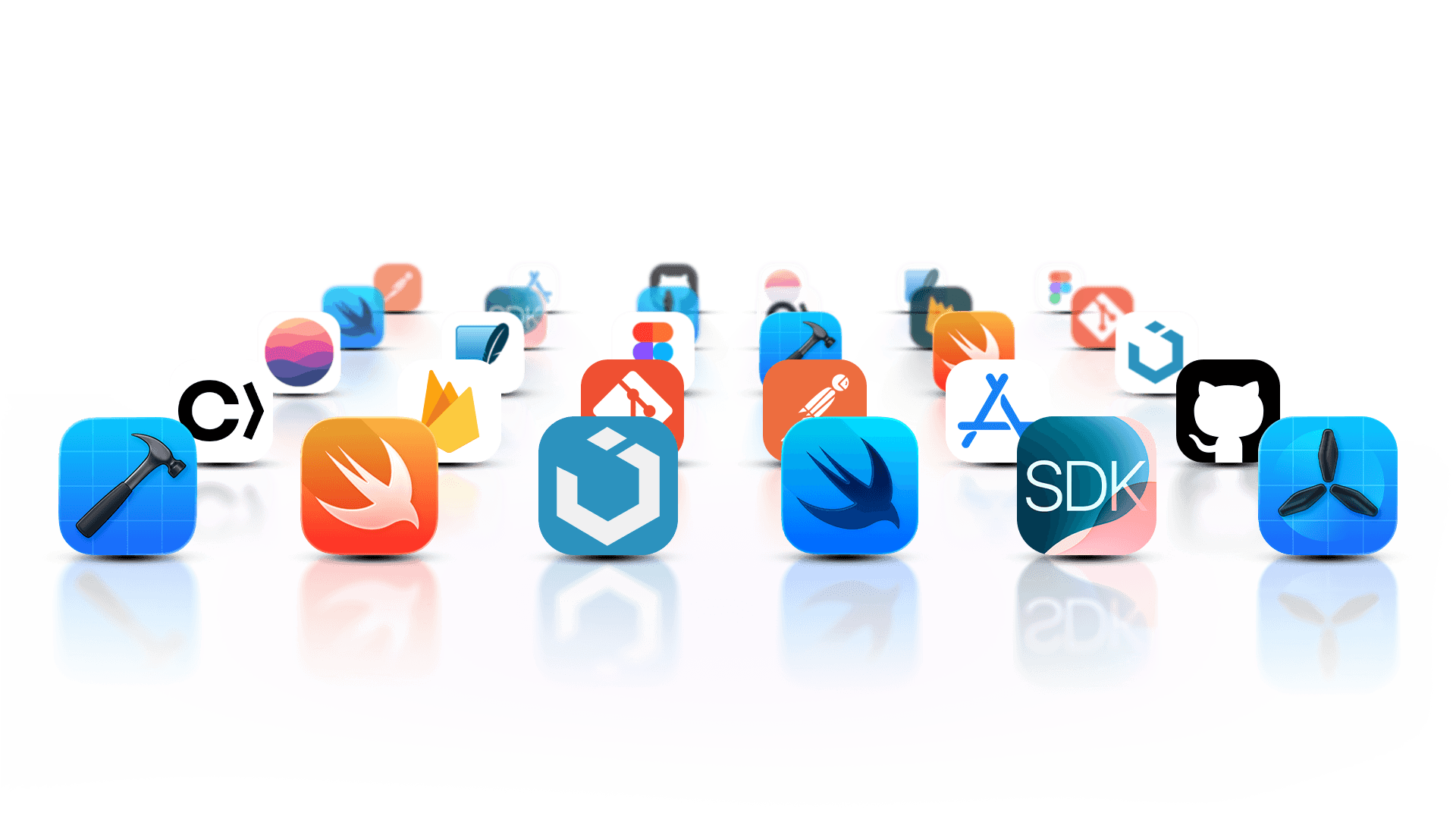
Which Technologies Used in Modern iOS
Mobile Development
Modern iOS mobile development relies on Apple's core technologies alongside integration tools and cloud services. These technologies support application performance, enable system connectivity, and ensure compatibility across devices and operating system updates.
The Process Behind Building iOS Applications That Perform Reliably
Developing applications requires a structured process that aligns business requirements with technical execution. Each stage ensures that the application performs reliably, integrates with systems, and consistently supports user interaction.
The Process Focuses On:
- ● Identifying business objectives and user interaction patterns
- ● Structuring application features based on real usage scenarios
- ● Connecting systems through APIs and backend architecture
- ● Validating performance across devices and environments
- ● Preparing the application for distribution and ongoing updates
This approach ensures applications are not only functional but also maintain consistency across different use cases, devices, and user expectations.


01Discovery and Planning
Understanding requirements, defining features, and identifying system dependencies before development begins.
02User Interface and Experience Design
Designing layouts, navigation, and interaction patterns that guide users through clear and predictable actions.
03Application Development and Integration
Building the application while connecting backend systems, APIs, and data structures required for functionality.
04Testing and Performance Validation
Evaluating application behaviour across devices to ensure speed, stability, and usability meet expected standards.
05Launch and Ongoing Refinement
Deploying the application and making adjustments based on user interaction, performance data, and evolving requirements
What Makes an iOS Application Effective Beyond Development
An application becomes valuable when it supports consistent user interaction, connects with internal systems, and adapts based on usage data. Long-term effectiveness depends on how well the application aligns with business processes and user expectations.
UNDERSTAND WHAT YOUR APP NEEDS TO PERFORM
SCHEDULE A CALLiOS App Development Services Available Across Australia

Digital OORT provides iOS mobile app development services across Australia, supporting businesses in Sydney, Melbourne, Brisbane, Perth, and Adelaide. Each application is planned with consideration for local user behaviour, industry expectations, and service delivery models. This ensures that applications remain relevant to how customers interact with businesses within different regions and service environments.
Applications are structured to support Australian service businesses by improving accessibility, simplifying customer interaction, and aligning with operational workflows. Whether used for bookings, communication, or internal processes, each application is designed to integrate with existing systems and support long-term business continuity.
Why Businesses Choose Digital OORT for Long-Term Business Growth
Businesses choose Digital OORT for its ability to connect application development with broader operational systems. Each solution is designed to support user interaction, improve internal processes, and maintain consistency across digital touchpoints, ensuring applications remain practical, scalable, and aligned with business requirements.
How iOS Applications Support Industry-Based Customer Interactions
iOS applications are structured differently across industries based on customer interaction, workflows, and system requirements. Each industry requires specific features, integrations, and user flows to support operations, improve accessibility, and maintain consistent service delivery.
Frequently Asked Questions About iOS App Development
Have Questions About Your
iOS App?
Understand app structure, systems, and performance clearly.
GET CLARITY ON IOS APP DEVELOPMENT PROCESS
Answers that help define your iOS app requirements clearly.
If you need more clarity around features, timelines, or system integration, we explain how applications are planned, built, and connected to business workflows so decisions are based on real requirements, not assumptions.
SCHEDULE A CALLWhat Businesses Say About Working With Digital OORT
Consistent delivery, clear communication, and results aligned with business goals, operational needs, and measurable performance outcomes.
James Hartley
Real Estate, Melbourne
Started with SEO and a website rebuild, then added Google Ads and CRM. Everything works together now — leads come in and actually get followed up properly. Good team to work with.
GET A FREE CONSULTATION
 |
| |
| |
| |
| |
|