
SAAS APPSDEVELOPMENT
Access. Automation. Visibility. Scale.
What SaaS Application Development Means For Service Businesses In Australia
SaaS application development gives service businesses a structured way to deliver services, manage users, and connect everyday operations inside one cloud-based platform. Instead of relying on separate tools for bookings, communication, billing, and reporting, a custom system brings those functions into one environment built around your workflows.
Digital OORT develops platforms that support client access, staff actions, account permissions, service delivery, and connected data. For many businesses, this model improves operational control and gives customers a better experience through clearer access and smoother interactions.
A strong saas platform can support subscriptions, dashboards, internal processes, and third-party integrations while staying flexible as the business grows. This approach suits businesses that need reliable digital infrastructure, stronger process visibility, and a platform that can support long-term service expansion across Australia.
BUILT AROUND DAILY SERVICE OPERATIONS
Digital OORT plans each platform around how the business works day to day, so the system supports actual service delivery rather than generic feature sets. This creates a clearer path for staff, customers, and administrators across one connected platform.
Key Features:
- ● Client portals and account access
- ● Bookings, approvals, and workflow steps
- ● Dashboards for service visibility
STRUCTURED FOR GROWTH AND CONTROL
A useful platform needs clear architecture, secure access, and reliable connections between users, payments, and data. This is where custom development gives businesses more control over the way the platform performs as usage expands.
Platform Capabilities:
- ● Role-based permissions and account management
- ● CRM, billing, and API integrations
- ● Reporting, notifications, and admin controls
How A SaaS Platform Supports Users, Systems, And Business Operations Together

A well-planned platform connects customer access, internal workflows, and business rules inside one digital environment. That structure helps service businesses reduce manual handling, improve visibility, and manage services more efficiently through software built around real operational requirements.
Subscription Access Shapes The User Experience
The access model affects onboarding, account management, permissions, billing, and service usage. For many businesses, the right software-as-a-service (SaaS) structure creates a smoother experience for customers while providing the business with clearer control over plans, renewals, and user activity.
Integrations Keep The Platform Connected To Existing Tools
A platform becomes more useful when it connects with CRM systems, payment gateways, analytics tools, and communication software. These connections reduce duplicate work and help the business manage users, services, and reporting through one coordinated digital system.
User Roles Keep The Platform Secure And Organised
Different users need different levels of visibility and control. Staff, managers, customers, and administrators all interact with the platform in different ways, so permissions and account rules need to support security, usability, and consistent service delivery.
Why Clear Scope Improves SaaS Development Before Build Decisions Are Locked In
A better platform starts with a clear understanding of users, workflows, and future requirements. Early planning helps define what the system needs to support, how it should function, and where growth, integrations, or commercial logic need to be considered before development moves forward.
USERS
Define who uses the platform, what access they need, and how each role interacts across daily business activities.
WORKFLOWS
Map the service steps, approvals, automation points, and reporting requirements the platform must support across all operational scenarios.
SCALABILITY
Plan for growth, billing structure, integrations, and system expansion before architecture becomes restrictive or limits future platform flexibility.
How Digital OORT Helps Define The Right SaaS Platform Before Development Begins
Clear direction at the start reduces rework, delays, and system limitations later. Digital OORT works with service businesses to define how the platform should function, how users interact with it, and how different systems connect, so the build phase reflects real operational needs.
NEED CLARITY BEFORE DEVELOPMENT STARTS?
SCHEDULE A CALLWhat Goes Into Building A SaaS Platform
That Supports Real Business Operations
A functional platform requires more than interface design. It depends on structured components that define how users access services, how systems communicate, and how the business manages operations, data, and ongoing platform performance.
SaaS Strategy
A structured approach defines users, workflows, service architecture, and platform requirements so development begins with clarity and aligns with long-term operational needs, ensuring the system reflects real business processes, priorities, and measurable outcomes from the start.
UX And Platform Structure
User-focused design shapes navigation, dashboards, and journeys based on how customers and teams interact with the platform during real service usage, improving clarity, usability, and consistency across different roles, devices, and interaction points.
Custom SaaS Development
Cloud-based applications are built to support service delivery, account access, workflows, and platform functionality aligned with business operations, allowing the system to remain flexible, scalable, and stable as usage and requirements increase.
API Integrations
Seamless integration connects the platform with CRM systems, payment tools, analytics software, and operational systems, reducing manual effort while ensuring consistent data flow across different tools and business functions.
Subscription Billing
Billing systems are structured around plans, renewals, user access, and account management, enabling recurring service models while maintaining clear visibility across subscriptions, transactions, and user activity.
User Roles And Permissions
Access control frameworks define user roles, permissions, and visibility to support secure and organised platform usage, allowing teams, customers, and administrators to operate without confusion or security risks.
QA And Testing
Comprehensive testing validates usability, workflows, responsiveness, and system behaviour before launch, identifying issues early and ensuring all core features function reliably across different scenarios.
Support And Optimisation
Ongoing improvements are guided by usage patterns, feedback, and operational requirements, helping the platform adapt to new users, features, and workflows while maintaining performance and long-term reliability.
Technology Choices Influence Performance, Security, And Long-Term Platform Stability
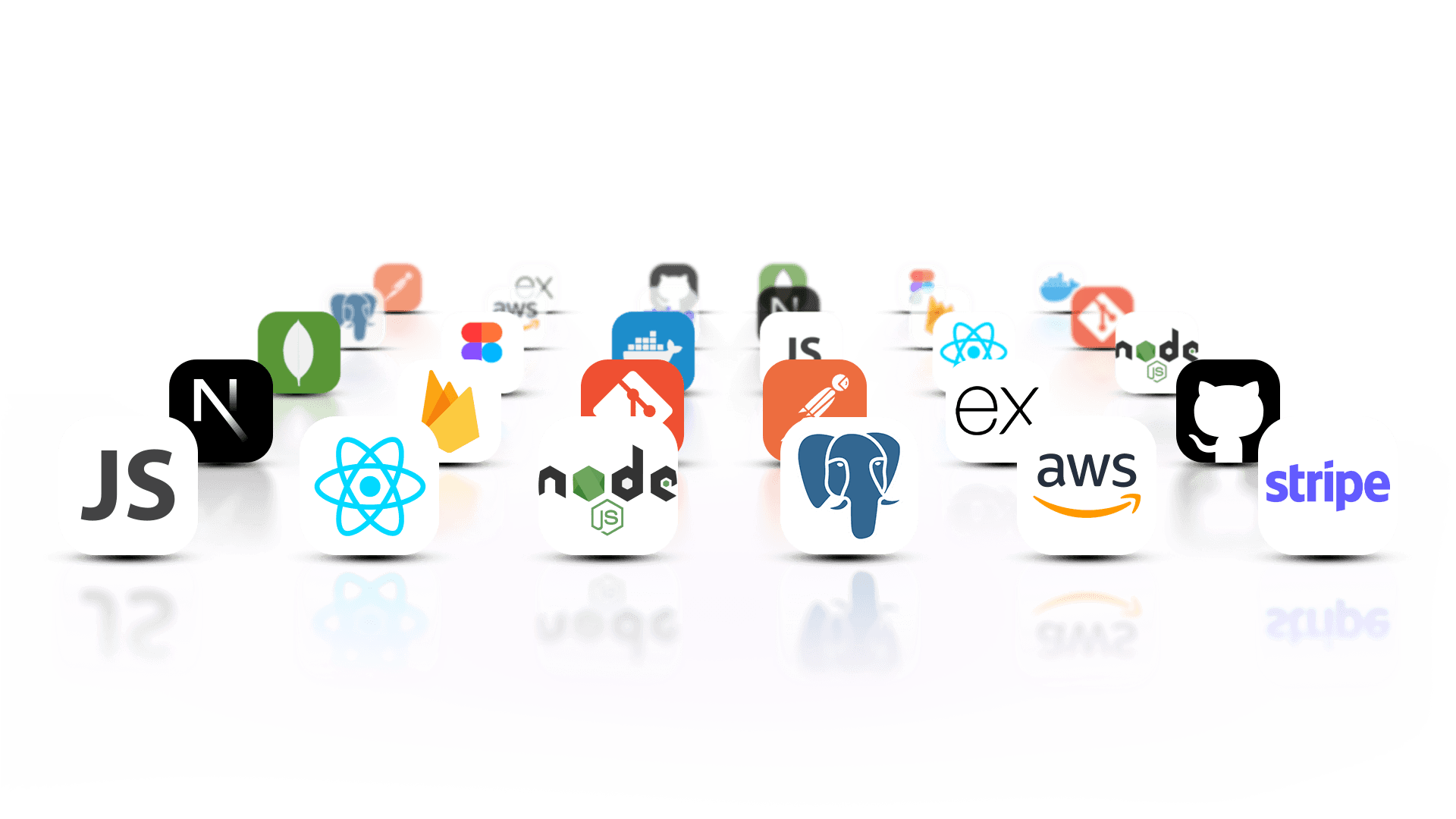
Every platform is built using technologies selected based on scalability, integration needs, and system requirements. Digital OORT focuses on building within a SaaS cloud environment that supports performance, security, and consistent access as users, data, and workflows expand.
How Digital OORT Plans, Builds, And Improves SaaS Platforms Over Time
A structured process helps ensure the platform supports both immediate requirements and long-term use. Digital OORT approaches development by aligning business goals, user behaviour, and technical requirements before moving into design and build. The process focuses on how the system will be used daily, how users interact with it, and how different parts of the platform connect. During development, attention stays on workflows, integrations, and usability rather than isolated features. Testing ensures the platform behaves consistently across devices and scenarios. After launch, the platform continues to evolve based on real usage, helping improve performance, usability, and operational value over time.
The Process Focuses On:
- ● Business goals and service workflows
- ● User roles, access levels, and system structure
- ● Integration requirements and data flow
- ● Development, testing, and deployment readiness
- ● Ongoing refinement based on usage insights
The process focuses on how the system will be used daily, how users interact with it, and how different parts of the platform connect. During development, attention stays on workflows, integrations, and usability rather than isolated features.
After launch, the platform continues to evolve based on real usage, helping improve performance, usability, and operational value over time.


01Discovery And Scope
Users, workflows, requirements, and platform goals are defined before architecture and development decisions are finalised, ensuring alignment with business objectives, system priorities, and long-term operational requirements.
02UX And Platform Structure
Navigation, dashboards, and access patterns are organised so the platform supports usability and consistent service interaction across different users, devices, and real-world usage scenarios.
03Development And Integrations
The platform is built, and required systems are connected while implementing workflows, permissions, and operational logic that support business processes, data flow, and system reliability.
04Testing And Launch
Performance, responsiveness, and workflows are tested to ensure the platform is ready for active users, delivering stability, usability, and consistent behaviour across different environments.
05Support And Optimisation
Features are refined, performance is improved, and the platform is adjusted based on real usage and business requirements, ensuring long-term efficiency, adaptability, and system reliability.
Build A SaaS Platform That Supports How Your Business Actually Operates
Many service businesses reach a point where disconnected tools, manual processes, and limited systems slow down delivery. A structured platform brings those parts together so services, users, and operations work within one environment that supports consistency and long-term growth.
NEED A BETTER SYSTEM THAN WHAT YOU HAVE NOW?
SCHEDULE A CALLSaaS Application Development Services Across Australia

Digital OORT provides saas services for businesses across Australia that need structured digital platforms to support service delivery, user access, and operational workflows. These platforms are designed to handle multiple users, connected systems, and ongoing usage without relying on fragmented tools or manual processes. Businesses operating in different locations benefit from a centralised system that keeps services, communication, and data aligned in one place.
Australian service businesses often require systems that work across teams, locations, and customer interactions without increasing operational complexity. Digital OORT builds platforms that support these requirements by focusing on usability, integration, and long-term functionality. As demand grows, these platforms can support expanded services, additional users, and evolving workflows while maintaining performance and system clarity.
What Strong SaaS Platforms Require For Reliable Business Growth
A well-structured platform depends on key system components that influence usability, control, and long-term reliability. When these elements are planned early, the platform becomes easier to manage, scale, and maintain without unnecessary technical limitations or operational friction.
How SaaS Application Requirements Change Across Different Service Industries
SaaS platforms vary based on how industries manage users, workflows, compliance, and service delivery. Each industry requires specific system logic, integrations, and access structures to support operations, customer interaction, and long-term platform scalability.
Questions You Might Have About SaaS Platforms
Need Help Defining Your
SaaS Platform?
Get clarity on structure, workflows, and system requirements.
PLAN THE RIGHT SYSTEM
If your current tools create gaps between workflows, users, and data, a structured SaaS platform can improve control and visibility.
Digital OORT helps define system requirements, integrations, and platform structure so your solution supports daily operations, scalability, and long-term performance.
SCHEDULE A CALLWhat Businesses Say About Working With Digital OORT
Feedback focused on delivery, communication, systems, and measurable business outcomes.
James Hartley
Real Estate, Melbourne
Started with SEO and a website rebuild, then added Google Ads and CRM. Everything works together now — leads come in and actually get followed up properly. Good team to work with.
GET A FREE CONSULTATION
 |
| |
| |
| |
| |
|