
WEB APPSDEVELOPMENT
Automation. Systems. Data. Growth.
Web Application Development Means for Businesses Managing Operations, Data, and Workflows
Web applications function as operational systems that support how a business runs day to day. Instead of relying on multiple disconnected tools, businesses use web application development to create structured environments where data, workflows, and user actions are managed in one place.
These applications allow teams to handle tasks such as tracking leads, managing internal processes, and monitoring performance without switching between platforms. For service businesses across Australia, this shift reduces manual work and improves accuracy across operations.
Digital OORT approaches development from a systems perspective. Each application is planned around how your business operates, ensuring it supports real processes, connects existing tools, and remains scalable as your requirements evolve over time.
CUSTOM SYSTEMS DESIGNED AROUND YOUR ACTUAL WORKFLOWS
Every business follows its own processes, which is why custom applications are built to reflect how work is already done. This approach removes unnecessary friction and improves efficiency across teams.
Key Features:
- ● Replace spreadsheets with structured operational systems
- ● Automate repetitive tasks across departments
- ● Align system logic with real business workflows
CONNECTED PLATFORMS KEEP YOUR DATA CONSISTENT AND ACCESSIBLE
When systems operate separately, data becomes fragmented and difficult to manage. Web applications solve this by connecting tools and ensuring information flows across platforms without duplication.
Integration Capabilities:
- ● Integrate CRM, booking, and payment systems
- ● Sync data automatically between platforms
- ● Maintain accuracy across all operational touchpoints
Why Businesses Use Web Applications to Improve Efficiency and Reduce Operational Friction

Businesses adopt web applications when existing tools no longer support their growth. As operations expand, managing workflows manually or across disconnected systems creates delays, errors, and inefficiencies that affect performance.
Automation Replaces Repetitive Tasks Across Daily Operations
Routine tasks such as data entry, approvals, and reporting often consume time without adding real value. Web applications automate these processes, allowing teams to focus on work that contributes directly to business outcomes.
Manage Business Data Through a Centralised System
A centralised system ensures all business data is stored, updated, and accessed from one place. This improves visibility across operations and allows teams to make informed decisions based on consistent and reliable information.
Integrated Systems Improve Workflow Continuity Across Teams
When tools are connected, workflows move without interruption. Web applications link systems such as CRM platforms and internal tools, allowing data to transfer seamlessly and ensuring teams work from the same information.
Choosing the Right Approach to Develop a Web-Based Application for Your Business Needs
The structure of a web application depends on how your business operates, the level of complexity involved, and the systems it needs to connect with. Planning these factors early ensures the application performs reliably and supports long-term use without constant rework.
NICHE
Different industries require specific workflows, system logic, and integration requirements to function effectively.
BUDGET
Costs vary based on complexity, features, integrations, and the level of customisation required.
TIMELINE
Development timelines depend on scope, feedback cycles, and the depth of system functionality needed.
How Digital OORT Helps You Build a Web Application That Fits Your Business Operations
When internal processes start slowing down work or data becomes difficult to manage, a structured web application provides clarity and control. The focus is not on adding another tool, but on creating a system that simplifies how your business operates. At Digital OORT, each application is planned around real workflows, ensuring it supports daily tasks, integrates with existing platforms, and remains practical as your business grows.
PLAN YOUR CUSTOM WEB APPLICATION TODAY
SCHEDULE A CALLTypes of Web Applications That
Support Different Business Functions and Operational Needs
Businesses require different types of systems depending on how they manage customers, data, and internal processes. Digital OORT builds applications that align with these needs, ensuring each system serves a clear operational purpose.
Customer Portals
Secure platforms where users can access personalised information, manage accounts, and interact with your business. These portals support document sharing, communication, and service access within a structured, user-specific environment.
Dashboards and Reporting Systems
Applications designed to track performance, monitor key metrics, and present business data in a clear format. Dashboards help teams understand trends, measure results, and make informed decisions using real-time insights.
CRM-Based Web Applications
Systems that manage leads, customer interactions, and communication across the sales process. These applications organise customer data, track engagement, and support teams in maintaining structured and consistent relationship management.
Workflow Automation Tools
Applications that automate repetitive tasks, approvals, and internal processes across departments. These systems reduce manual effort, improve consistency, and ensure workflows move efficiently without delays or unnecessary intervention.
SaaS Platforms
Scalable applications designed for delivering services through subscription-based models. These platforms allow businesses to manage users, deliver features, and maintain structured service environments that support long-term growth and recurring revenue.
Internal Business Tools
Custom applications built to support internal workflows, team collaboration, and operational tasks. These systems provide structure, improve efficiency, and help teams manage projects, data, and processes within a controlled environment.
Booking and Scheduling Systems
Applications that manage appointments, availability, and customer bookings in real time. These systems reduce manual coordination, improve scheduling accuracy, and ensure a smoother experience for both businesses and their customers.
E-commerce Applications
Platforms designed to manage online transactions, product listings, and customer interactions. These applications support order processing, inventory tracking, and payment integration while maintaining a structured and reliable shopping experience.
What Technologies Support Performance, Scalability, and Security
in Modern Web Applications
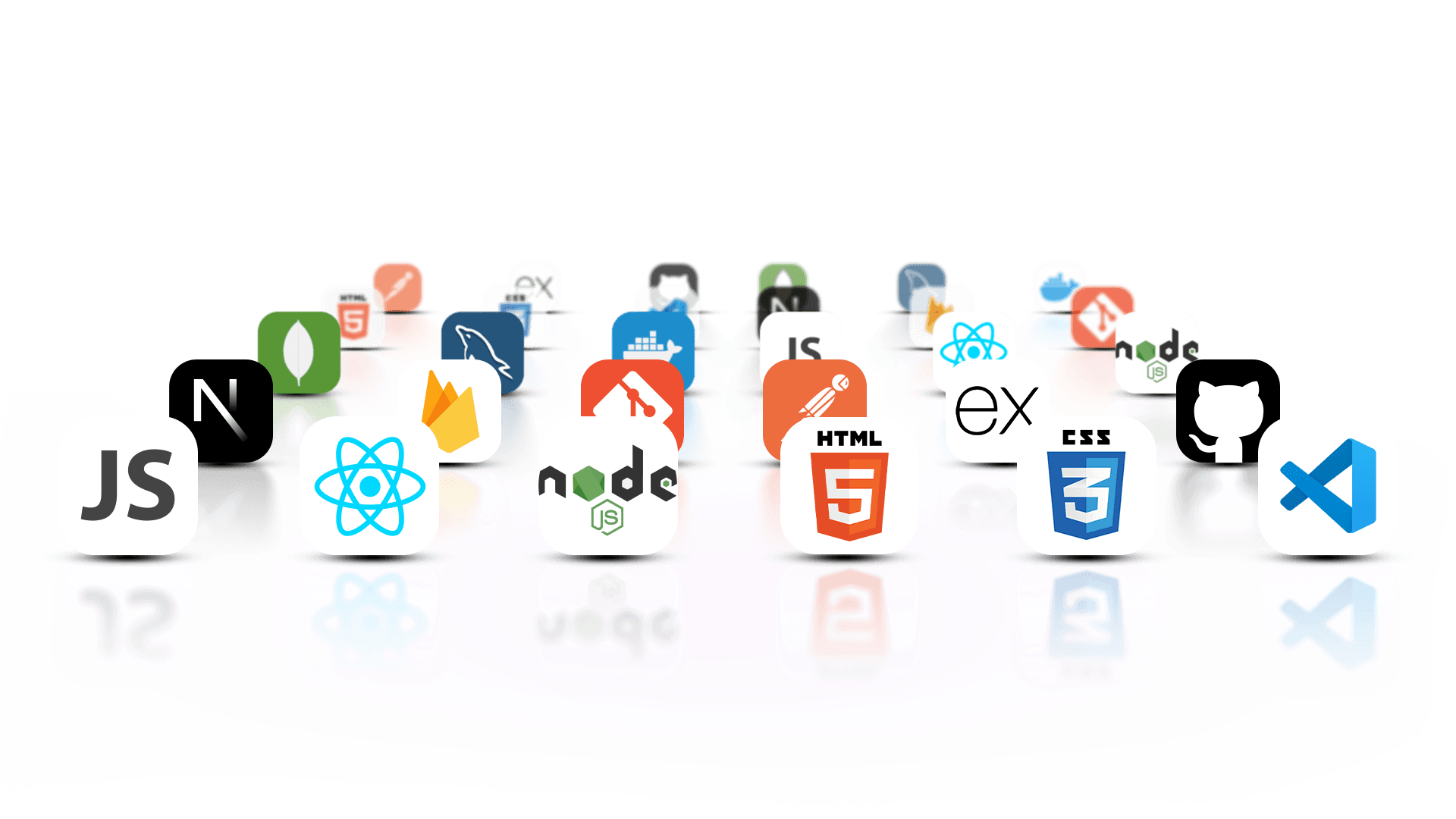
Modern applications rely on a combination of frontend and backend technologies to ensure they perform reliably under real business conditions. The selection of tools depends on how the system will be used, the volume of data, and the level of interaction required. From frameworks such as React to backend environments like Node.js and Python, each component is chosen based on functionality, stability, and long-term maintainability rather than trends.
How Digital OORT Approaches Web App Development Through Structured Planning and Execution
Building a web application requires aligning business workflows, user interactions, and system logic into one structured environment. The focus is on creating systems that support real operations, not isolated features.
Key Focus Areas During Development:
- ● Map how data moves across your business
- ● Identify workflow gaps and inefficiencies
- ● Define system logic based on real usage
- ● Ensure integration with existing tools
- ● Build for scalability and long-term use
At Digital OORT, development begins by analysing how your business handles data, processes tasks, and connects systems. This ensures the application reflects actual operations rather than assumptions. Each stage focuses on usability, performance, and reliability so the system supports daily activities without friction.
The result is a structured web application that connects workflows, integrates tools, and performs consistently as your business evolves.


01Discovery and Business Understanding
Understanding workflows, identifying operational challenges, and defining system requirements to ensure the application reflects how your business functions and supports real processes effectively.
02System Structure and User Experience Design
Designing interfaces, navigation, and system logic to ensure users can interact with the application easily, complete tasks efficiently, and move through workflows without confusion.
03Development and System Integration
Building frontend and backend components while connecting third-party tools, APIs, and internal systems to ensure smooth data flow and consistent functionality across your business environment.
04Testing and Performance Validation
Testing the application across devices and use cases to ensure stability, usability, and performance before launch, reducing risks and ensuring reliable operation in real conditions.
05Launch and Continuous Improvement
Deploying the application into real use and refining features, workflows, and performance based on user behaviour, feedback, and evolving business requirements over time.
How Structured Web Applications Support Long-Term Business Growth and Operational Stability
As businesses grow, managing operations through disconnected tools becomes increasingly difficult. A well-structured application creates a stable foundation where workflows, data, and processes operate consistently without added complexity.
By organising operations into a single system, businesses improve efficiency, reduce errors, and maintain control as demands increase.
START BUILDING YOUR BUSINESS SYSTEM TODAY
SCHEDULE A CALLWeb Application Development Services for Businesses Across Australia

Businesses across Australia require systems that support how they operate in real conditions, not generic solutions that fail under scale. Digital OORT develops applications for organisations in Sydney, Melbourne, Brisbane, Perth, and Adelaide, focusing on how teams manage workflows, customer interactions, and internal processes.
Each solution is built with a clear understanding of operational requirements, ensuring it performs reliably while handling increasing data, users, and system interactions. The focus remains on creating systems that are practical, scalable, and aligned with real business use.
Applications are designed to integrate with existing platforms such as CRM systems, booking tools, and internal software. This allows businesses to maintain continuity across operations while improving efficiency through automation and structured data handling.
By aligning development with how Australian businesses operate, Digital OORT ensures each system supports long-term performance, adaptability, and consistent operational control.
Why Businesses Choose Digital OORT for Reliable Web Application Systems
Digital OORT focuses on building applications that support real operations rather than isolated features. Each system is structured around workflows, ensuring it integrates with existing tools and performs consistently under real usage conditions. The approach prioritises usability, data accuracy, and scalability, allowing businesses to manage operations more efficiently while maintaining control as they grow.
How Web Application Development Adapts to Different Industry Workflows and Operational Requirements
Web applications are designed around how each industry operates, from managing customer interactions to handling data, compliance, and internal workflows. This ensures every system supports real processes, user expectations, and business outcomes across different sectors.
Common Questions About Web Application Development
Still Have Questions About
Your System?
Clear answers before you commit to development.
SPEAK WITH OUR TEAM
Discuss your requirements, understand your options, and identify the most practical approach for your business.
This helps clarify scope, expected costs, and timelines before any development begins.
SCHEDULE A CALLBusinesses Work With Digital OORT for Consistent Results
Systems that improve operations, support growth, and deliver measurable business outcomes.
James Hartley
Real Estate, Melbourne
Started with SEO and a website rebuild, then added Google Ads and CRM. Everything works together now — leads come in and actually get followed up properly. Good team to work with.
GET A FREE CONSULTATION
 |
| |
| |
| |
| |
|